
Essential details
Shipping:Express delivery
Product Introduction
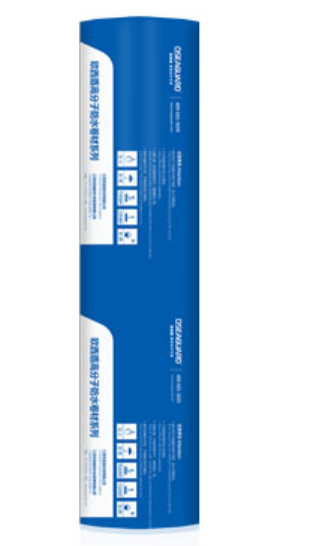
OXD-100 Thermoplastic Polyolefin (TPO) waterproofing membrane is a novel waterproofing material manufactured via an extrusion process. It is produced by polymerizing ethylene-propylene rubber and polypropylene using a specialized blending technique, with the addition of various auxiliaries such as antioxidants and light stabilizers. Free from toxic and harmful substances, this membrane is classified as an eco-friendly and green waterproofing material. The product complies with the GB27789-2011 standard, *Thermoplastic Polyolefin (TPO) Waterproofing Membranes*.
**Product Features**
* **Excellent Low-Temperature Performance:** Retains flexibility even at -40°C, meeting the application requirements of extremely cold regions.
* **High Solar Reflectance:** The white surface exhibits outstanding reflectivity of sunlight, thereby reducing energy consumption.
* **Secure Seam Technology:** Utilizes hot-air welding to create seams with high peel strength, ensuring enhanced safety and reliability.
* **Superior Chemical Resistance:** Offers excellent resistance to chemical corrosion, satisfying application requirements in environments exposed to acids, alkalis, salts, and similar substances.
* **Exceptional Weather Resistance:** Possesses superior weatherability, allowing for long-term use in exposed outdoor environments.
* **High Solar Reflectance:** The white surface exhibits outstanding reflectivity of sunlight, thereby reducing energy consumption.
* **Secure Seam Technology:** Utilizes hot-air welding to create seams with high peel strength, ensuring enhanced safety and reliability.
* **Superior Chemical Resistance:** Offers excellent resistance to chemical corrosion, satisfying application requirements in environments exposed to acids, alkalis, salts, and similar substances.
* **Exceptional Weather Resistance:** Possesses superior weatherability, allowing for long-term use in exposed outdoor environments.
**Application Scope
Primarily utilized in exposed, single-ply roofing waterproofing projects. It is also suitable for use in large-scale venues, airports, basements, civil defense structures, integrated utility tunnels, reservoir dams, landfills, subway tunnels, bridges, grain storage facilities, and similar engineering projects.
Construction Methods and Procedures
There are three primary construction methods for TPO waterproofing membranes: mechanical fastening, fully adhered, and loose-laid. Seams are typically sealed using hot-air welding or specialized adhesives.
Mechanical Fastening Procedure: Substrate cleaning → Installation of polyethylene vapor barrier and insulation boards → Preliminary placement of TPO membrane → Fastener installation → Hot-air welding → Reinforcement of critical details → Inspection and trimming → Final acceptance inspection.
Fully Adhered Procedure: Substrate cleaning → Layout marking (chalk lines) → Large-area adhesive application → Membrane installation → Membrane overlapping → Reinforcement of critical details → Edge termination treatment → Final acceptance inspection.
Mechanical Fastening Procedure: Substrate cleaning → Installation of polyethylene vapor barrier and insulation boards → Preliminary placement of TPO membrane → Fastener installation → Hot-air welding → Reinforcement of critical details → Inspection and trimming → Final acceptance inspection.
Fully Adhered Procedure: Substrate cleaning → Layout marking (chalk lines) → Large-area adhesive application → Membrane installation → Membrane overlapping → Reinforcement of critical details → Edge termination treatment → Final acceptance inspection.
Storage and Transport
During storage and transport, products of different types and specifications must be stacked separately to avoid mixing. Protect the materials from direct sunlight and rain, and ensure adequate ventilation. Storage temperatures must not exceed 45°C. When stored horizontally, stacks should not exceed five layers in height; when stored vertically, they must be arranged in a single layer. Direct contact with acids, alkalis, oils, organic solvents, or similar substances is strictly prohibited. During transport, prevent tilting or lateral compression; cover the materials with a tarpaulin if necessary.